4. Mix and Match Furniture Styles
You don’t have to stick to a single furniture style throughout your entire home. In fact, blending
different styles can add depth and character to your space, as long as you do it thoughtfully.
Here’s how to mix and match furniture styles without overwhelming your space:
● Balance Bold with Simple: If you’re drawn to statement pieces, such as an intricately
carved wooden coffee table, balance it with more neutral or minimalistic furniture. This
contrast allows the statement piece to shine without overwhelming the room.
● Create a Focal Point: In each room, choose one piece of furniture to be the focal point,
such as a bold sofa, vintage armchair, or unique dining table. Then, choose
complementary pieces that don’t compete with the focal point but still contribute to the
overall vibe of the room.
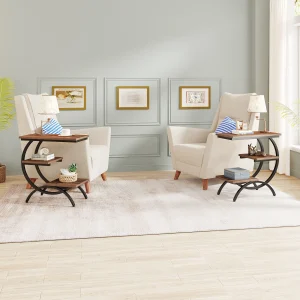
● Mix Modern with Vintage: Modern and vintage pieces can work beautifully together
when paired thoughtfully. Consider pairing a sleek, contemporary sofa with a vintage
wooden coffee table or adding a modern floor lamp next to a traditional armchair.
● Use Color to Tie It All Together: When mixing furniture styles, use color as a unifying
factor. For example, you can incorporate a bold color from a statement piece into smaller
furniture or accessories to create harmony throughout the space.
5. Consider the Scale and Proportions of Your Furniture
When selecting furniture, size matters. Choosing pieces that fit the scale of your room is
essential to making the space feel comfortable and inviting. Furniture that’s too large can
overwhelm the room, while pieces that are too small can make the space feel disjointed.
Here’s how to strike the right balance:
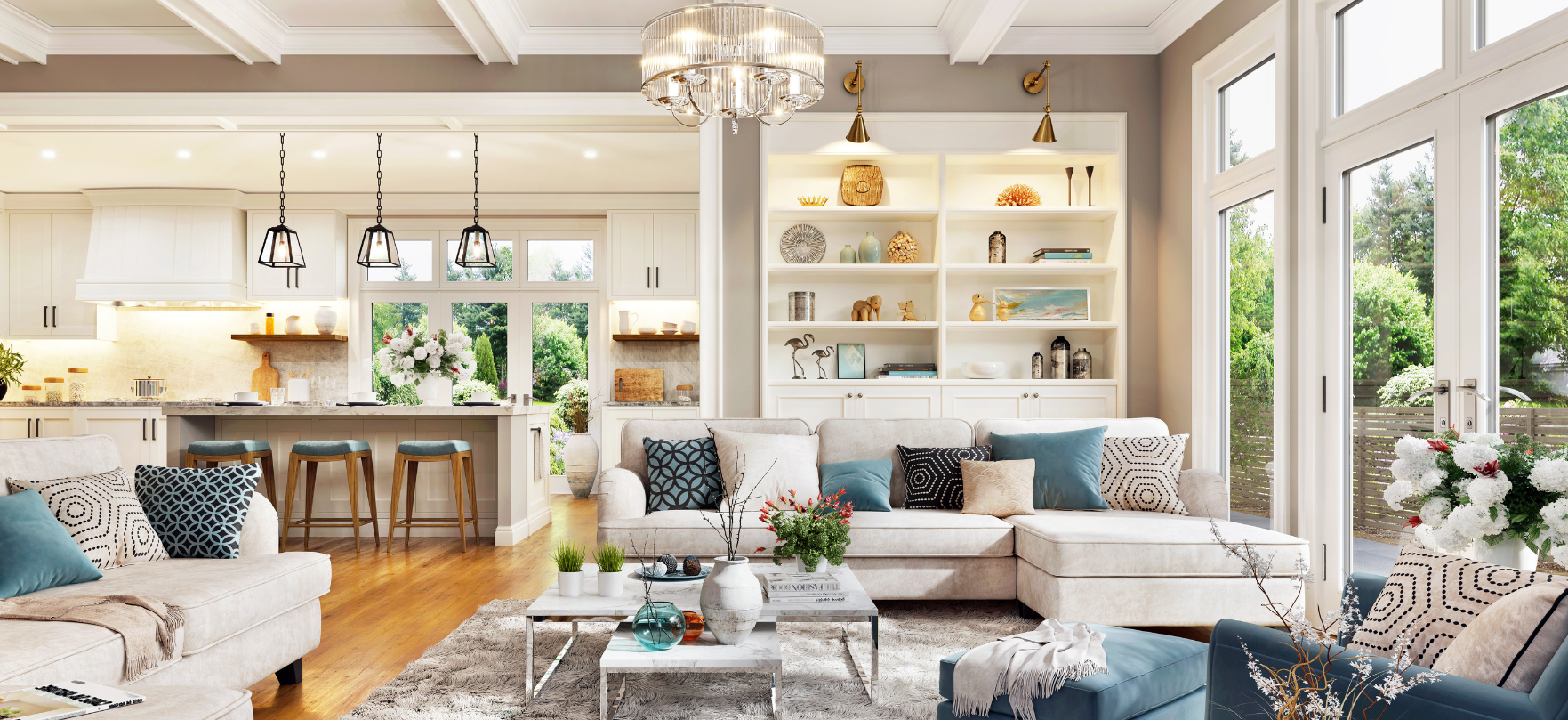
● For Larger Rooms: If your room is spacious, choose larger furniture pieces, such as a
sectional sofa or a big dining table, to create balance. Larger furniture fills the space
without making it feel empty or cold.
● For Smaller Rooms: In smaller spaces, opt for compact, multi-functional pieces, such
as a loveseat instead of a full-size sofa or a corner desk instead of a large office table.
Consider furniture with slim legs or open bases to create a sense of space and prevent
the room from feeling cramped.
● Maintain Proportions: When arranging furniture in a room, ensure that the pieces are
proportional to one another. For instance, avoid pairing a large, bulky sofa with a tiny
coffee table. Keeping furniture in similar proportions creates visual harmony.